
I have twenty-five years of experience, but I’d hesitate to call myself wise. I may be knowledgeable. I may have become genuinely skilled at a few things. But wisdom, I’ve come to think, is something else entirely. Knowledge vs wisdom turns out to be the real question here. Does experience become wisdom just by accumulating? I used to assume so.
Table of Contents
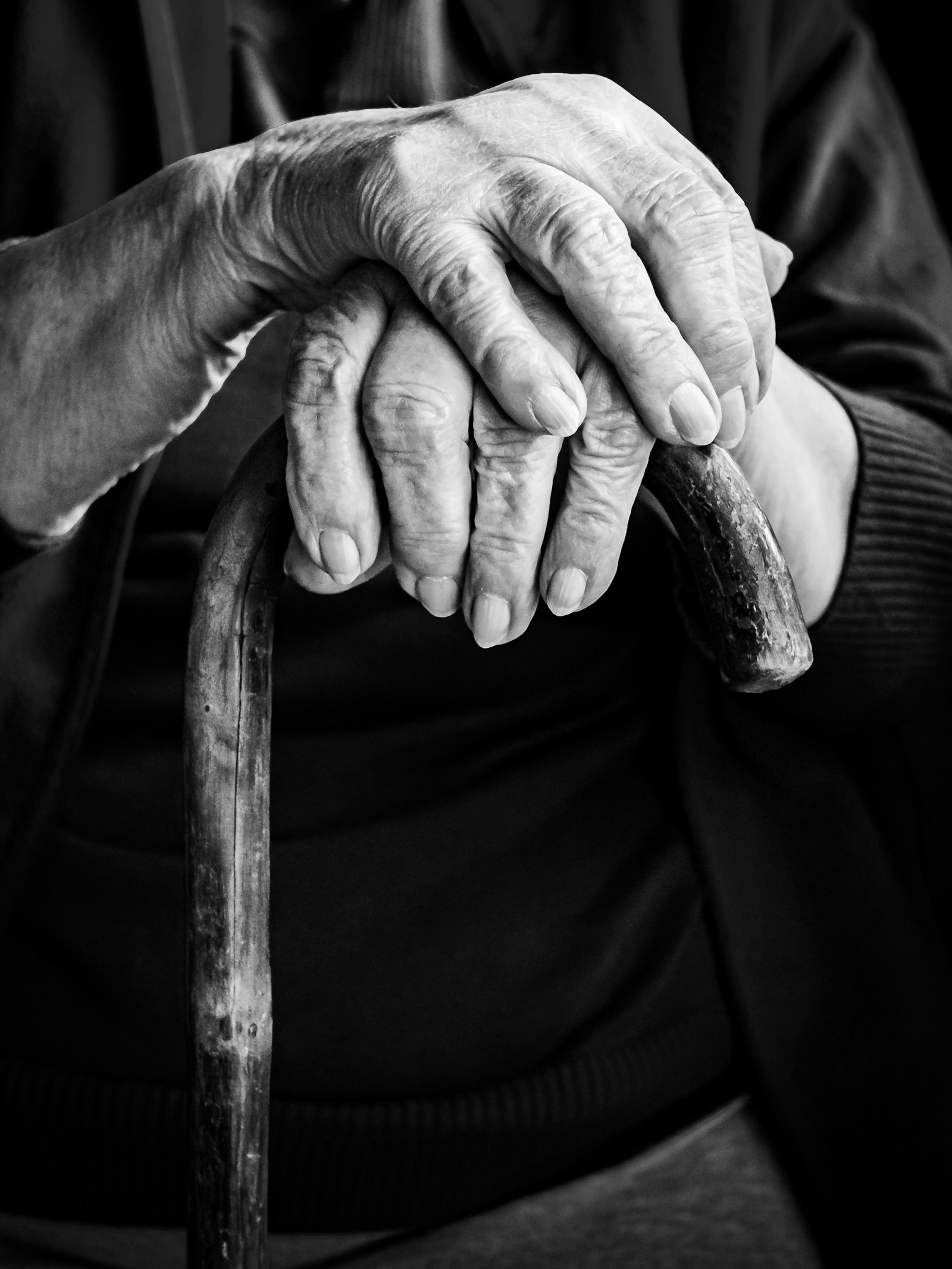
I’ve spent years in the corporate world and years trying to build businesses of my own. I’ve lived through success, failure, hope, disappointment, confidence, and uncertainty — many of the days and nights that anyone who has tried to build something of their own will recognise. And still, I failed more than once. Experience, it turns out, does not automatically convert into wisdom.
I’ve been a doer for most of my life — action-oriented, building, creating, solving, chasing difficult goals. Without doers, very little would ever get built. But doers also live very close to their own outcomes. Success creates excitement. Victory strengthens confidence. Loss invites doubt.
For many years, that was simply my life: the more attached I became to winning, the more every defeat disturbed my ability to think clearly. I had experience. I did not yet have perspective.
Over time, I met a few people I quietly considered wise. They weren’t always the most experienced people in the room, and they weren’t always the most successful. But they had something I hadn’t developed yet — their minds stayed steady. Success didn’t inflate them. Failure didn’t break them. They could observe reality without letting every result disturb their judgment.
When Does Experience Become Wisdom
The idea that experience and wisdom aren’t the same thing isn’t new — it’s one of the oldest observations in the Bhagavad Gita, which unfolds on a battlefield at Kurukshetra, on the eve of a war between two branches of the same family.
Arjuna, one of the greatest warriors of his generation, is standing in his chariot, ready for a battle he has trained his entire life to fight — and he freezes. Not from any lack of skill. From a sudden, disabling clarity about what the fighting would actually cost. His charioteer, Krishna, spends most of the text not teaching him how to fight better, but teaching him how to see clearly again.
Reading the verse that follows, much later than I probably should have, I began to understand something about my own life in the same terms.
दुःखेष्वनुद्विग्नमनाः सुखेषु विगतस्पृहः ।
वीतरागभयक्रोधः स्थितधीर्मुनिरुच्यते ।
Duḥkeṣvanudvignamanāḥ sukheṣu vigataspṛhaḥ,
Vītarāgabhayakrodhaḥ sthitadhīrmunirucyate.
“One whose mind remains undisturbed amidst misery, who does not crave for pleasure, and who is free from attachment, fear, and anger, is called a sage of steady wisdom.”
Knowledge vs Wisdom: The Real Difference
Experience comes from repeated action. Wisdom comes from repeated observation. Experience accumulates events; wisdom extracts understanding from them. A person can repeat the same mistake for twenty years and accumulate plenty of experience without ever becoming wise. Another can observe a single failure deeply enough to change permanently.
Arjuna didn’t lack experience — he lacked clarity, because his mind had become disturbed by the weight of the consequences in front of him. Krishna didn’t teach him a better technique. He taught him how to see what was actually there, underneath the fear.
That’s when I began asking myself a different question than the one I’d been asking my whole career: what if my experiences weren’t preparing me to become the winner I thought I was chasing? Today, I no longer feel compelled to prove that I’ve succeeded at anything. I feel responsible, instead, for sharing what repeated contact with reality has actually taught me.
Experience become wisdom, in the end, only through honest reflection — experience teaches you what happened, wisdom understands why it happened. And once that understanding is shared honestly, even your failures start serving a purpose larger than yourself — which is, in the end, the only thing that made writing any of this worthwhile.
— Kartikeya
Inquiry in Silence. Yoga in Practice.